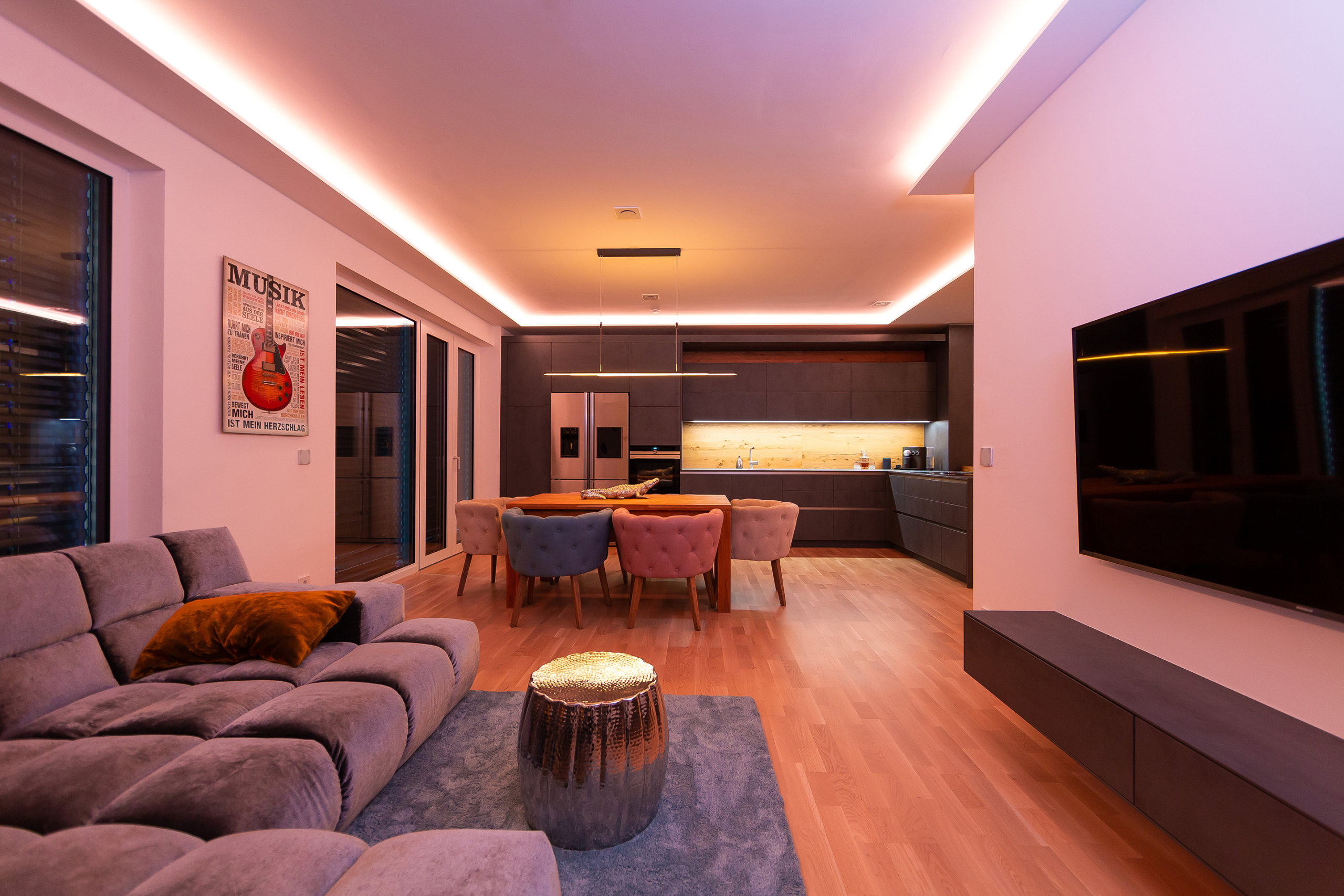
What should I look for when hiring a Smart Home Installer?
A buyer’s guide for homeowners comparing their options
So you’ve decided to invest in a smart home. You’ve done your research, you know roughly what you want — automated lighting, intelligent heating, a security system that reassures, not annoys — and now comes the part nobody really prepares you for: finding the right person to install it.
This is where things can go wrong. The smart home industry is growing fast, and with that growth comes a wide range of installers — from highly trained specialists who will transform how you live, to generalist electricians who’ve watched a few YouTube tutorials. Knowing how to tell them apart before you sign anything could save you thousands of pounds and a lot of frustration.
Here’s what to look for.
1. Certifications and Accreditations
This is your first and most important filter. Smart home installation is a technical discipline. The difference between a certified installer and an uncertified one isn’t just a piece of paper — it’s the difference between a system that works flawlessly for years and one that causes you problems from day one.
What to look for:
- Manufacturer certification — The best installers are certified directly by the platforms they install. If someone is proposing a Loxone system, for example, check whether they’re a certified Loxone Silver, Gold or Platinum Partner. This matters because these partners receive specialist training, have access to the latest system updates, and are accountable to the manufacturer if something goes wrong.
- CEDIA membership — CEDIA (Custom Electronic Design and Installation Association) is the global trade body for smart home professionals. Membership requires demonstrated technical competence and a commitment to ongoing professional development. If an installer is CEDIA-accredited, it’s a strong signal they take the craft seriously.
- Electrical certifications — Depending on the scope of your installation, your installer may need to be NICEIC registered or hold relevant electrical qualifications. Don’t be afraid to ask.
Red flag: An installer who can’t name a specific certification or manufacturer partnership, or who is vague about what training they’ve received.
At SKM Smart Living for example, we are certified Loxone Silver Partners. This means we’re required to complete regular manufacturer training and maintain a professional standard set by Loxone themselves. It’s not a badge we were handed; it’s one we have to keep earning every year.
2. Platform Expertise — Do They Know the System Inside Out?
Smart home platforms are not interchangeable. A Control4 installer is not the same as a Loxone installer, and neither is the same as someone who primarily works with off-the-shelf consumer products like Philips Hue or Google Home. These systems have fundamentally different architectures, capabilities and — critically — failure modes.
Ask any prospective installer which platform they recommend, and then ask why. A confident specialist will be able to explain clearly what makes their platform of choice the right fit for your home and your lifestyle. If they hedge, offer you a pick-and-mix of whatever’s cheapest, or recommend a system that seems to change with every conversation, that’s a warning sign.
Questions worth asking:
- Which platform do you specialise in, and why do you recommend it for my home?
- How long have you been installing this system?
- Can you show me examples of projects you’ve completed using it?
- What happens to my system if the manufacturer goes out of business, or if the cloud goes down?
That last question is worth paying particular attention to. Many consumer smart home products rely entirely on an internet connection and cloud servers to function. If the WiFi drops, the system stops working. Quality platforms like Loxone process everything locally on your own miniserver — so your home continues to operate exactly as intended even if your broadband goes down.
3. Experience With Homes Like Yours
A smart home installer who has only ever worked on new builds may struggle with the specific challenges of a Victorian terrace. Equally, someone who mainly works on small apartments may not have the experience to design a whole-home system for a larger property.
Ask to see a portfolio of previous projects, and look for homes with a similar profile to yours — similar size, similar age, similar complexity. Even better, ask whether any of their previous clients would be willing to speak to you directly. A confident installer with nothing to hide will welcome this.
Also ask: Have you done retrofit installations before? (Installing smart technology into an existing home without a full rewire is a specific skill — not every installer can do it well.)
4. The Design Process — Do They Listen Before They Sell?
A smart home system is only as good as the brief it was designed around. Before any reputable installer starts talking about hardware, they should be asking you questions — about how you live, what frustrates you about your home at the moment, what your daily routines look like, and what you actually want the technology to do for you.
If an installer arrives at your home with a pre-packaged solution before they’ve heard your answers to those questions, be cautious. Smart home installation should be a bespoke process, not a product sale.
The best installers design systems around your life — not around what they happen to have in stock, or what gives them the best margin.
5. Aftercare and Ongoing Support
This is where a lot of installers fall short, and it’s the thing homeowners most frequently regret not asking about upfront.
Smart home systems are not set-and-forget products. They require occasional updates, sometimes need reconfiguring when your lifestyle changes, and occasionally develop issues that need a qualified eye to diagnose. What happens when that happens? Will your installer pick up the phone? Will they charge you a call-out fee for every small query? Will they still be around in two years’ time?
Questions to ask:
-
- What does your aftercare package include?
- How do I contact you if something stops working?
- Do you offer follow-up visits after installation
- What’s your typical response time for support queries?
At SKM Smart Living, aftercare is built into our three core promises to every client — promises that are worth understanding if you’re in the process of comparing installers:
“We won’t confuse you” — our systems are designed to be easy to use, with full training provided, so you’re never left bewildered by your own home.
“We won’t ghost you” — follow-up visits are part of the service, and we remain available for questions and adjustments long after the installation is complete. (This is more unusual than it should be — plenty of installers disappear the moment they’ve been paid.)
“We won’t be happy until you’re happy” — if any aspect of the system isn’t working for you, we’ll keep working until it is.
These aren’t marketing slogans — they’re a direct response to the most common complaints homeowners have about smart home installers. If the company you’re speaking to can’t make similar commitments in plain language, that’s worth noting.
6. Transparency on Cost
Smart home installation is a significant investment, and pricing should be clear, detailed, and honest. A reputable installer will provide a written quote that breaks down what you’re paying for — hardware, labour, programming, commissioning, and aftercare — rather than a single headline figure.
Be wary of:
- Vague quotes with no itemisation
- Installers who can’t give you a ballpark until you’ve signed something
- Upselling pressure before your requirements have been properly established
- “Best price guaranteed” claims without any context
A good installer will also be upfront about what the system can and can’t do within your budget — and will help you prioritise features if you need to phase the investment over time. Modular systems like Loxone are well-suited to this approach; you can start with the elements that matter most and expand later.
7. Red Flags to Watch Out For
To summarise, here are the warning signs that should make you think twice before proceeding:
- No manufacturer certifications — just general electrical qualifications applied to smart home work
- Can’t demonstrate completed projects — especially homes similar to yours
- Pushes a solution before listening — sells products rather than designs systems
- Vague or non-existent aftercare commitment — especially if they become evasive when you ask about post-installation support
- Relies entirely on cloud-based or WiFi-dependent technology without explaining the implications
- No written quote or contract before work begins
- Can’t explain why they recommend their preferred platform in plain language
The Difference a Specialist Makes
There’s a meaningful difference between a large company that offers smart home installation as one of twenty services, and a specialist installer for whom this is the only thing they do.
Owner-operated businesses like ourselves (SKM Smart Living are a husband and wife team) offer something that larger firms structurally can’t: accountability. When the owner is also the person designing, installing and supporting your system, the incentives are very different. Our reputation depends entirely on how your home performs long after we’ve left.
That kind of personal investment in the outcome is difficult to replicate at scale. It’s not the right fit for everyone — but for homeowners who want a genuinely bespoke system, delivered by someone who will still answer their calls in three years’ time, it’s worth knowing it exists.
In Summary
When evaluating smart home installers, look for:
- Verified certifications and manufacturer partnerships
- Deep expertise in a specific platform, not a generalist approach
- A portfolio of relevant completed projects
- A design process that starts with listening
- Clear, written aftercare commitments
- Transparent, itemised pricing
- Someone who can explain everything in plain English — without jargon, and without making you feel pressured
The right installer will make your home genuinely better to live in. The wrong one will leave you with an expensive system you can’t use and a phone number that goes unanswered.
Take your time, ask the right questions, and don’t be afraid to walk away if something doesn’t feel right.
SKM Smart Living are certified Loxone Partners based in Margate, Kent, providing bespoke smart home installation across Kent and London. For a no-obligation consultation, or to visit our Kent showroom, get in touch here.